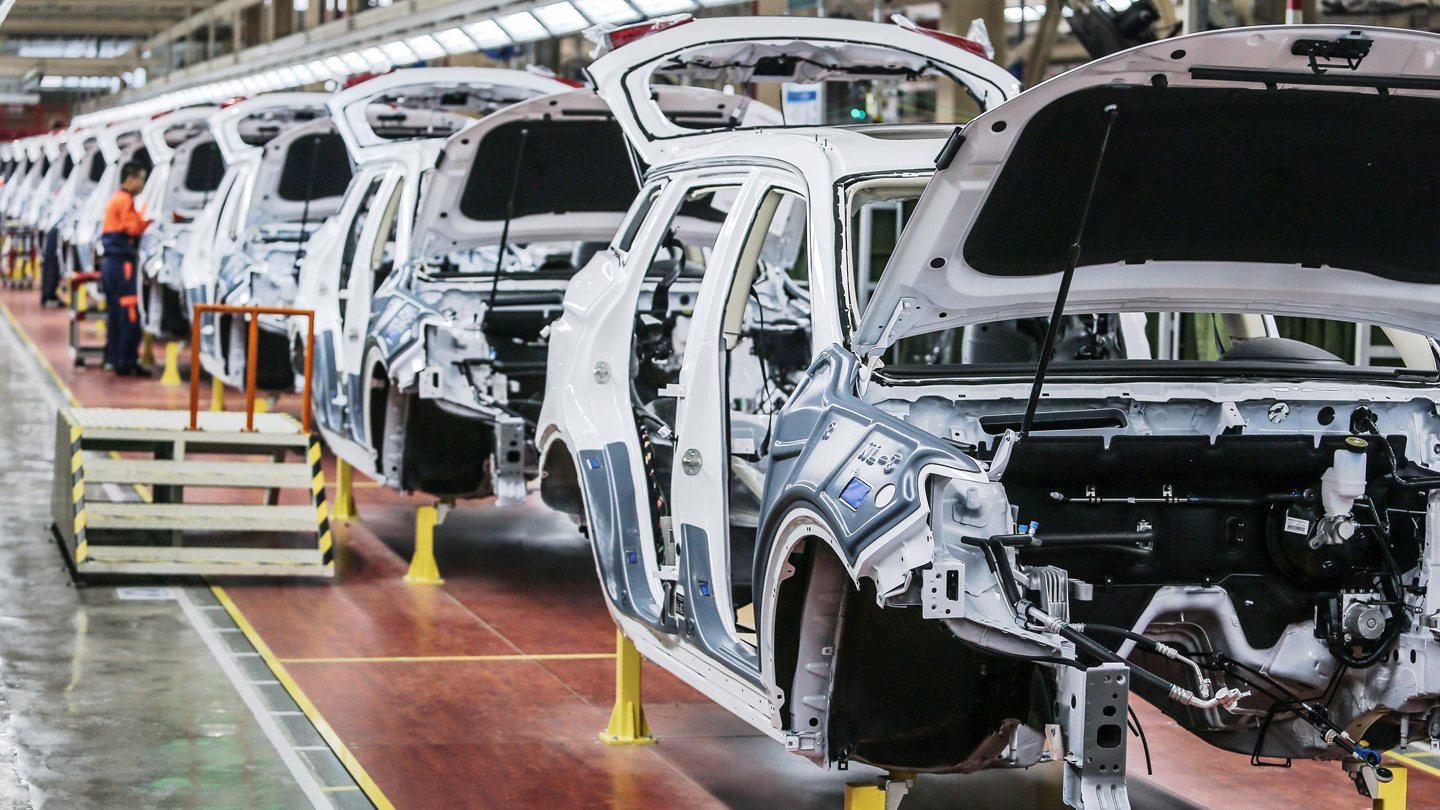
Architectural Shift: How Auto Manufacturers Are Redefining Modern Mobility

The global automotive sector is undergoing its most profound transformation since assembly lines first revolutionized mass production over a century ago. For generations, auto manufacturers operated primarily as metal fabricators, engine builders, and mechanical integrators. Victory in the market depended almost entirely on horsepower, chassis tuning, structural safety, and physical styling.

Today, the traditional rulebook has been rewritten. Auto manufacturers are pivoting from pure hardware companies into software-driven technology enterprises. Driven by rapid technological convergence, changing consumer expectations, and environmental mandates, automakers are reimagining how vehicles are designed, built, and monetized.

From Hardware Assemblers to Software Integrators

The most fundamental shift taking place among global auto manufacturers is the transition toward Software-Defined Vehicles (SDVs). Historically, adding a new feature to a car meant installing a dedicated hardware module controlled by an isolated Electronic Control Unit (ECU). Modern luxury and mainstream vehicles often contain dozens of separate ECUs, creating immense wiring … Read more

Smart Buying Guide: How to Maximize Value and Reliability in Used Vehicles

Navigating the automotive marketplace today presents buyers with an ever-expanding array of choices. While the allure of a brand-new vehicle with zero odometer miles is undeniable, purchasing a pre-owned vehicle has established itself as one of the most practical financial strategies for modern drivers. Modern automotive engineering ensures that vehicles manufactured over the past decade are built to withstand significantly higher mileage and longer lifespans than their predecessors.

However, extracting the maximum value from used vehicles requires more than just searching for a low asking price. It demands a structured approach to assessing depreciation, verifying vehicle history, understanding overall ownership costs, and conducting thorough physical evaluations.

Understanding the Economics of Depreciation

Depreciation is the single largest expense associated with vehicle ownership, yet it operates as an advantage for buyers exploring used vehicles. A new car typically loses twenty to thirty percent of its value within its first year on the … Read more

Electric Vehicles vs. Gasoline Cars: A Comprehensive Comparison for the Modern Driver

The global automotive industry is undergoing its most radical transformation in over a century. For decades, the internal combustion engine (ICE) running on gasoline or diesel was the undisputed standard for personal transportation. Today, electric vehicles (EVs) have shifted from niche experimental technology into mainstream contenders, reshaping how drivers think about daily commutes, long-distance travel, and vehicle ownership costs.

Choosing between an electric vehicle and a traditional gasoline-powered car is no longer just about environmental preference. It involves analyzing long-term financial commitments, driving habits, maintenance demands, and infrastructure availability.

Initial Purchase Cost and Long-Term Depreciation

When comparing electric vehicles with gasoline cars, the starting price point is often the first hurdle for buyers. Historically, EVs have carried a higher upfront sticker price due to the expensive battery technology required to power them.

While high-end EVs remain premium purchases, the price gap has steadily narrowed thanks to advancing battery manufacturing processes … Read more

Modern Car Buying: How to Locate and Evaluate the Best Auto Sales Near You

Finding a reliable vehicle requires navigating a local marketplace filled with options, choices, and varying sales practices. When consumers search for auto sales near their location, they are often met with an overwhelming mix of traditional franchise dealerships, independent used car lots, regional private sellers, and online buying services.

Navigating your local auto sales environment effectively requires more than just stopping by the nearest lot. It involves understanding local market dynamics, leveraging digital tools for local inventory searches, evaluating dealership reputations, and preparing for on-site negotiations.

The Landscape of Local Auto Sales Options

The local automotive retail sector consists of several distinct business models, each offering unique advantages depending on your budget, financing needs, and preference for warranty coverage.

  • Franchise Dealerships: These locations are tied directly to specific vehicle manufacturers. Franchise dealers primary offer new models alongside Certified Pre-Owned (CPO) vehicles. They provide factory-backed warranties, modern service facilities, and dedicated
… Read more

Top 5 Car Manufacturers Shaping the World in 2026

The automotive industry has undergone a seismic shift over the last decade. The roar of internal combustion engines is increasingly being met by the high-tech hum of electric motors, and the traditional giants of the road are facing unprecedented challenges from digital-first innovators. In 2026, the global automotive landscape is a fascinating mix of legacy craftsmanship and aggressive technological expansion.

To understand where the industry is heading, we must look at the leaders who currently dominate the market. These top five manufacturers are not just selling cars; they are defining the future of human mobility through scale, sustainability, and software.


1. Toyota Motor Corporation: The Undisputed Leader

Toyota continues to hold its position as the world’s largest automaker by volume. Its secret weapon has long been its “multi-pathway” strategy. While some competitors bet everything on pure battery electric vehicles (BEVs), Toyota maintained a diverse portfolio of highly efficient hybrids, plug-in … Read more