The global automotive aftermarket is a multi-billion dollar industry that has shown remarkable resilience in the face of economic shifts. Whether you are an individual looking to clear out your garage, a hobbyist dismantling a project car, or an entrepreneur aiming to build a full-scale business, selling auto parts can be a highly lucrative venture. However, success in this niche requires more than just having a spare alternator or a set of brake pads; it demands a strategic approach to sourcing, listing, and customer service.
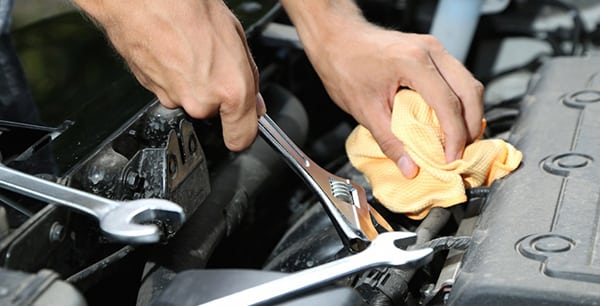
In 2026, the market for auto parts has become increasingly digital and specialized. With the average age of vehicles on the road rising and the surge in electric vehicle (EV) components, the opportunities for sellers are vast. This article explores how to navigate the complexities of selling auto parts and turn your inventory into consistent profit.
1. Identifying High-Demand Inventory
The first step to a successful selling operation is knowing what the market wants. Not all car parts are created equal, and some move much faster than others.
- Maintenance and Wear Items: These are “evergreen” parts. Items like spark plugs, filters, brake rotors, and wiper blades are constantly in demand because they are replaced during routine servicing.
- Body and Aesthetic Parts: Headlight assemblies, side mirrors, and bumper covers are high-turnover items. They are frequently damaged in minor accidents, and owners often prefer buying a used, color-matched part over a new, expensive one that requires painting.
- Hard-to-Find Electronics: In modern vehicles, Electronic Control Units (ECUs), infotainment modules, and sensors are expensive and often difficult to source through traditional dealerships. These can be goldmines for specialized sellers.
- EV and Hybrid Components: As older EVs enter the used market, there is a growing demand for battery modules, inverter units, and electric motors.
2. Sourcing Your Parts Strategically
To sell at a profit, you must buy at the right price. Professional sellers often use a combination of three main sources:
- Salvage Yards (Pick-n-Pull): This is the most cost-effective way to source parts. By pulling the parts yourself, you save on labor costs and can find high-quality OEM (Original Equipment Manufacturer) components for a fraction of their resale value.
- Auction Vehicles: Buying “totaled” cars from insurance auctions allows you to dismantle an entire vehicle for its parts. This is a high-volume strategy that requires space and mechanical expertise but offers the highest profit margins.
- Wholesale Distributors: If you prefer selling new, aftermarket parts, establishing a relationship with a wholesaler is key. This allows you to offer warranties and brand-new inventory to customers who are wary of used components.
3. The Art of the Listing: Clarity and Accuracy
In the world of auto parts, accuracy is everything. A single digit difference in a part number can mean the difference between a satisfied customer and a costly return.
- High-Quality Photography: Take clear photos from multiple angles. For used parts, be sure to photograph any scratches, dents, or wear. Transparency builds trust and reduces disputes.
- Part Number Matching: Always include the OEM part number in your title and description. Most buyers search specifically for these numbers to ensure compatibility.
- Compatibility Lists (Fitment): Mention the year, make, and model of the donor vehicle. However, go a step further and research which other years and models use the same part. This broadens your potential audience.
- Cleanliness Matters: Before photographing or shipping, clean the part. A greasy, dirt-covered component looks neglected. A wiped-down, clean part suggests it was well-maintained.
4. Selecting the Right Sales Platform
Where you sell is just as important as what you sell. Different platforms cater to different types of buyers.
- eBay Motors: The undisputed king of the auto parts world. eBay’s built-in fitment tools allow sellers to list which vehicles a part fits, making it easy for buyers to find exactly what they need.
- Specialized Forums: If you are selling parts for a specific niche—such as classic Mustangs or high-performance Porsches—dedicated enthusiast forums can be more effective than broad marketplaces.
- Social Media Marketplaces: Facebook Marketplace is excellent for heavy or bulky items like engines, transmissions, or wheels that are difficult and expensive to ship. Local pickup avoids the logistical headache of freight shipping.
5. Shipping and Logistics: Protecting Your Profit
Shipping auto parts can be challenging due to their weight and irregular shapes. Proper packaging is essential. Heavy metal parts can easily break through standard cardboard boxes if not reinforced.
For smaller items, use plenty of bubble wrap and sturdy boxes. For larger items like engines or gearboxes, you will need to learn the basics of LTL (Less Than Truckload) freight shipping and palletizing. Always factor shipping costs into your pricing strategy to ensure you aren’t losing money on the delivery.
6. Providing Professional Customer Support
The automotive world is full of jargon and technical questions. Be prepared to answer queries about compatibility, installation, and part condition. Offering a reasonable return policy—especially for electronic components—can significantly increase your conversion rate. Buyers are much more likely to choose a seller who stands behind their product.
Conclusion
Selling auto parts is a rewarding venture that combines mechanical knowledge with e-commerce savvy. By focusing on high-demand items, ensuring part number accuracy, and choosing the right platforms for your inventory, you can tap into a global market of car owners and mechanics looking for value. Whether you are recycling used components or distributing new ones, professionalism and transparency are the keys to building a reputable and profitable brand in the automotive aftermarket. With patience and attention to detail, your “spare parts” can become a powerful source of revenue.