The concept of a “car adventure” has evolved significantly over the decades. It is no longer just about driving from one city to another on a paved highway. In 2026, car adventures have become a lifestyle—a blend of freedom, exploration, and the raw connection between the driver, the machine, and the great outdoors. Whether it is overlanding through rugged terrain, van-lifing across a continent, or simply taking a weekend drive into the mountains, the allure of the open road remains unparalleled.
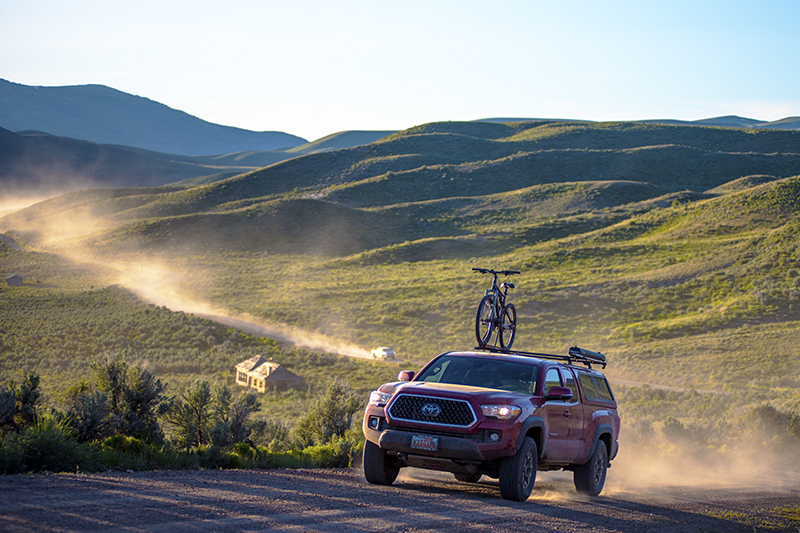
The beauty of a car adventure lies in the autonomy it provides. Unlike air travel, where you are confined to a seat and a strict schedule, a car adventure allows you to stop at every hidden viewpoint, explore small-town diners, and change your destination on a whim.
Choosing the Right Vehicle for Your Journey
The success of your adventure often depends on the vehicle you choose. While any car can technically go on a road trip, specific adventures require specific capabilities.
- Overlanding and Off-Roading: If your dream involves crossing deserts or climbing muddy trails, a 4WD or AWD vehicle with high ground clearance is essential. Vehicles equipped with specialized suspension systems and all-terrain tires allow you to reach places most tourists will never see.
- The Modern Nomad (Van Life): For long-term adventures, converted vans or large SUVs offer a “home on wheels.” These vehicles prioritize interior space, allowing for sleeping quarters, small kitchens, and storage for gear like surfboards or mountain bikes.
- Fuel Efficiency and EVs: In 2026, the rise of electric vehicles (EVs) has introduced a new type of adventure. Planning a road trip around charging infrastructure adds a layer of “slow travel” that encourages exploring local towns while your car recharges. Many modern EVs also feature “camping modes” that allow you to use the climate control overnight without running an engine.
Essential Gear for the Road
A professional adventurer knows that preparation is the difference between a memorable trip and a dangerous one. Beyond your personal luggage, several automotive-specific items are non-negotiable.
Safety and Recovery Kits:
Always carry a high-quality jump starter, a tire inflator, and a basic tool kit. If you are heading off the beaten path, recovery boards and a shovel are vital for getting unstuck from sand or mud.
Navigation Beyond the Screen:
While GPS and smartphone apps are incredibly convenient, they rely on satellite signals and battery power. Always carry physical topographic maps of the areas you plan to explore. They don’t run out of battery and provide a broader perspective of the geography around you.
Power and Connectivity:
Portable power stations have become a staple for car adventures. They can power laptops, cameras, and portable fridges without draining your car’s main battery. For those venturing far into the wilderness, satellite communication devices ensure you can call for help even where there is no cellular service.
The Art of Spontaneous Planning
One of the greatest mistakes a traveler can make is over-scheduling. The heart of a car adventure is the unexpected. When you leave gaps in your itinerary, you leave room for magic. You might find a local festival in a small village, a breathtaking sunset that demands an extra hour of your time, or a recommendation from a local that leads to a hidden waterfall.
A good rule of thumb is the “Rule of Thirds”: plan one-third of your stops (the must-see locations), research one-third (potential options), and leave the final third completely open to the whim of the road.
Respecting the Environment: The Ethical Adventurer
As car adventures grow in popularity, the impact on nature increases. It is the responsibility of every adventurer to practice “Leave No Trace” principles.
- Stay on Designated Trails: Off-roading doesn’t mean driving wherever you want. Staying on established paths prevents soil erosion and protects local flora.
- Waste Management: Never leave trash behind. In fact, many in the car adventure community follow the “plus one” rule: always pick up at least one piece of trash left by others at your campsite.
- Fire Safety: Always check local fire regulations. Use portable gas stoves instead of open wood fires whenever possible to prevent the risk of wildfires.
The Mental Benefits of the Open Road
Beyond the physical sights, car adventures offer a profound psychological reset. The act of driving through vast landscapes promotes a state of “active meditation.” It forces you to be present, focusing on the road and the changing scenery rather than the digital distractions of daily life. The solitude of the cabin, or the shared experience with a close friend, fosters deep reflection and strengthens bonds.
Conclusion
Car adventure is more than just a method of travel; it is a testament to the human spirit of discovery. It challenges your problem-solving skills, broadens your cultural horizons, and reminds you that the world is much larger than the screen in your pocket.
By choosing the right vehicle, packing the essential safety gear, and maintaining a balance between planning and spontaneity, you can transform a simple drive into a life-changing expedition. The road is calling, and in 2026, there has never been a better time to answer it. Whether you are chasing the horizon in a rugged 4×4 or an efficient electric car, the true destination is the wisdom and memories you gather along the way.