The history of the United States in the 20th and 21st centuries is inextricably linked to the four-wheeled machines that sit in almost every driveway across the nation. The automobile is not merely a tool for transportation in the American context; it is a cultural icon, a symbol of freedom. And the primary architect of the country’s physical landscape. From the first Model T to roll off Henry Ford’s assembly line to the whisper-quiet electric vehicles of 2026. The car has redefined what it means to live, work, and socialize in America.
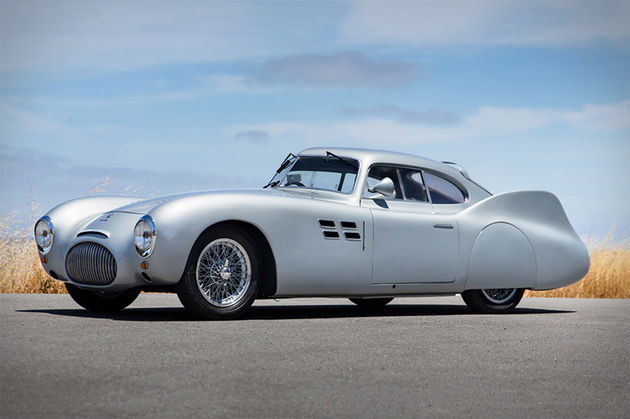
Understanding the relationship between the automobile and American life requires looking beyond the engine and the chassis. It requires an exploration of how a mechanical invention transformed a vast. Disconnected continent into a mobile society defined by the “open road.”
The Birth of Mobility and the Middle Class
Before the mass production of the automobile, travel was a luxury of the wealthy. Or a grueling necessity for the working class. Most Americans lived their entire lives within a few miles of where they were born. The introduction of the assembly line changed this dynamic overnight. By making cars affordable, Henry Ford did more than sell vehicles; he sold mobility.
This newfound mobility gave birth to the modern American middle class. It allowed workers to live further from their places of employment, breaking the density of the industrial city. The car gave the average family the power to explore the geography of their country. Leading to the rise of domestic tourism and a shared national identity.
Architect of the Landscape: The Rise of Suburbia
Perhaps the most visible impact of the automobile is the physical layout of the United States. Following World War II, the “American Dream” became synonymous with owning a home with a yard and a garage. This dream was only made possible by the car.
The development of the Interstate Highway System in the 1950s acted as the skeletal structure upon which modern America was built. Huge swaths of farmland were transformed into sprawling suburbs. This shift created a new lifestyle centered around the commute. Shopping malls, drive-through restaurants, and motels emerged to cater to a society that was constantly on the move. Today, the very “walkability” of many American towns is determined by how car-centric their initial design was, showing that the automobile literally paved the way for modern urban planning.
The Car as a Cultural Symbol of Freedom
In American literature, film, and music, the car is rarely just a car. It is a vessel for reinvention. From Jack Kerouac’s “On the Road” to the classic “road trip” movies of Hollywood, the automobile represents the ability to leave one’s past behind and seek a new beginning.
For the American teenager, obtaining a driver’s license is a rite of passage—a first taste of true independence. The car becomes a private space, a mobile social club, and a statement of personality. Whether it is a rugged pickup truck in the rural Midwest or a sleek sports car in coastal California, what an American drives has long been seen as an extension of who they are. This deep emotional connection is why the American automotive market remains one of the most diverse and passionate in the world.
Economic Engines and Industrial Might
The influence of the automobile extends deep into the American economy. For decades, the “Big Three” automakers in Detroit were the heartbeat of American industry. The automotive sector created millions of jobs, not just in manufacturing, but in steel production, rubber, oil, and eventually, software and electronics.
Even as the industry faces global competition and a shift toward automation, it remains a cornerstone of the national economy. The transition to electric vehicles (EVs) in the mid-2020s has sparked a new industrial revolution, with battery “gigafactories” and charging networks creating a new wave of American infrastructure and employment.
Challenges: Environment and Connectivity
The romance between America and the car has not been without its costs. The reliance on internal combustion engines for over a century contributed significantly to air pollution and carbon emissions. Furthermore, the focus on car-centric infrastructure often led to the neglect of public transit systems, creating “transportation deserts” for those who cannot afford or drive a vehicle.
In 2026, we are seeing a correction of these trends. The integration of artificial intelligence and sustainable energy is aiming to solve the problems of the past. Autonomous driving technology promises to reduce the 40,000 annual traffic fatalities on American roads, while electrification is cleaning the air in the very cities that were once choked by smog.
Conclusion: An Evolving Legacy
The story of the automobile and American life is a story of constant evolution. While the gas-guzzling cruisers of the 1960s have been replaced by high-tech, eco-friendly machines, the underlying desire for autonomy remains unchanged. The car continues to be the primary thread that weaves together the disparate parts of the American experience.
As we look toward the future of flying taxis and fully autonomous pods, the fundamental spirit of the American road trip persists. The automobile did more than move Americans from point A to point B; it moved the nation into a new era of possibility. It remains the ultimate symbol of the American spirit: restless, innovative, and always looking toward the horizon.