The automotive industry has undergone a seismic shift over the last decade. The roar of internal combustion engines is increasingly being met by the high-tech hum of electric motors, and the traditional giants of the road are facing unprecedented challenges from digital-first innovators. In 2026, the global automotive landscape is a fascinating mix of legacy craftsmanship and aggressive technological expansion.
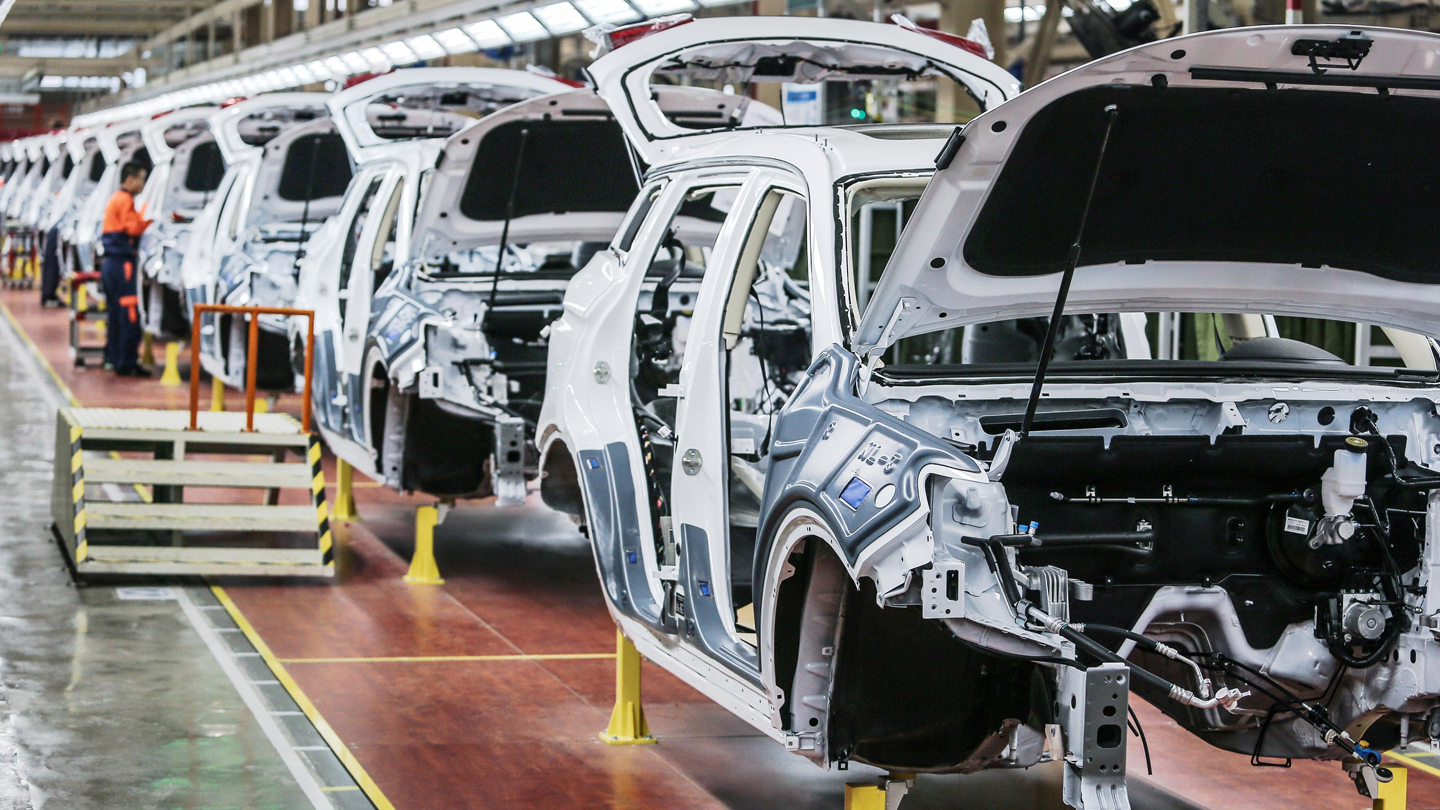
To understand where the industry is heading, we must look at the leaders who currently dominate the market. These top five manufacturers are not just selling cars; they are defining the future of human mobility through scale, sustainability, and software.
1. Toyota Motor Corporation: The Undisputed Leader
Toyota continues to hold its position as the world’s largest automaker by volume. Its secret weapon has long been its “multi-pathway” strategy. While some competitors bet everything on pure battery electric vehicles (BEVs), Toyota maintained a diverse portfolio of highly efficient hybrids, plug-in hybrids, and hydrogen fuel cell technology alongside their expanding electric “bZ” series.
The brand’s dominance in 2026 is driven by its legendary reputation for reliability. In emerging markets across Asia and Africa, as well as established markets in North America, Toyota remains the gold standard for longevity. Models like the RAV4 and the Corolla continue to be global best-sellers, acting as the reliable backbone of global transportation.
2. Volkswagen Group: The European Powerhouse
Based in Wolfsburg, Germany, the Volkswagen Group is a massive conglomerate that manages a portfolio ranging from the accessible Skoda and SEAT to the ultra-luxurious Bentley and Lamborghini. In terms of sheer revenue and manufacturing complexity, Volkswagen is a titan.
By 2026, the group has significantly matured its “ID.” electric lineup. Their strength lies in platform sharing; by using a single modular electric drive matrix (MEB and the newer SSP platforms), they can produce dozens of different models across multiple brands with incredible cost efficiency. Volkswagen remains the dominant force in Europe, pushing the continent toward a zero-emission future while maintaining a strong foothold in the competitive Chinese market.
3. Hyundai Motor Group: The Innovation Disruptor
If there is one manufacturer that has transformed its image the most in recent years, it is the Hyundai Motor Group (which includes Kia and Genesis). Once known primarily for budget-friendly cars, the South Korean giant is now a leader in design and cutting-edge EV technology.
The success of the Ioniq and EV series has proven that Hyundai can out-innovate traditional luxury brands. Their 800-volt ultra-fast charging architecture is currently among the best in the industry, allowing drivers to recharge their vehicles in the time it takes to grab a coffee. With a bold design language and a heavy investment in robotics and urban air mobility, Hyundai has moved from a follower to a world-class trendsetter.
4. Stellantis: The Master of Global Branding
Formed from the merger of Fiat Chrysler Automobiles and the PSA Group, Stellantis is a unique automotive beast. Managing 14 iconic brands—including Jeep, Ram, Peugeot, and Maserati—the company has mastered the art of regional dominance.
In 2026, Stellantis thrives by playing to the strengths of its individual brands. While Jeep and Ram dominate the high-margin truck and SUV market in North America, Peugeot and Fiat lead the urban mobility charge in Europe. Their “Dare Forward 2030” strategy has successfully consolidated their manufacturing processes, allowing them to remain highly profitable while transitioning their massive portfolio toward electrification.
5. BYD (Build Your Dreams): The Electric Giant
The most significant change in the top five rankings for 2026 is the undeniable rise of BYD. The Chinese manufacturer has transitioned from a battery maker to a global automotive juggernaut. BYD’s vertical integration is its greatest strength; they manufacture their own batteries, semiconductors, and electric motors, giving them a level of control over their supply chain that other manufacturers envy.
BYD has successfully challenged the global status quo by offering high-tech, high-quality electric and hybrid vehicles at price points that are often more accessible than their Western counterparts. Their expansion into Europe, South America, and Southeast Asia has been rapid, making them the primary challenger to legacy automakers in the race for EV supremacy.
Conclusion: A Race Toward a New Horizon
The “Top 5” list of 2026 tells a story of an industry in transition. We see the steady hand of Toyota, the industrial scale of Volkswagen, the creative disruption of Hyundai, the brand diversity of Stellantis, and the vertical integration of BYD.
While these five companies currently lead the pack, the gap between them and the rest of the field is closing. Innovation in autonomous driving, solid-state batteries, and software-defined vehicle features means that no position is permanent. For the consumer, this competition is a win; it results in safer, cleaner, and more intelligent vehicles than we have ever seen before. As we move further into the decade, the only certainty is that the car in your driveway will look and act very differently than the one from the generation before.